

Cleaning Robot Selection Mistakes That Cost Facilities More Than They Expect
As commercial facilities adopt automation, cleaning robots are becoming a common part of modern operations. But while the technology itself is powerful, the real risk lies not in using robots, but in choosing the wrong one.
Poor cleaning robot selection can lead to inconsistent results, operational disruptions, and unexpected costs. The most successful facilities approach robotic cleaning strategically, aligning the technology with how their buildings actually function.
This guide explains why cleaning robot selection matters, and how choosing the wrong fit can impact long-term facility performance.
Why Cleaning Robot Selection Is a Strategic Decision
Cleaning robots are not interchangeable tools. Each model is designed for specific environments, floor types, and usage patterns. When facilities select robots without fully understanding these factors, the technology may fall short of expectations.
Inconsistent coverage, inefficient routes, or limited adaptability can create gaps that cleaning teams must compensate for manually. Over time, this undermines the very efficiency robots are meant to provide.
Effective cleaning robot selection focuses on operational fit, not novelty or features alone.
How Facility Size and Layout Affect Cleaning Robot Selection
One of the most common mistakes in cleaning robot selection is ignoring facility size and layout.
Smaller or mid-sized spaces benefit from robots that are compact, agile, and capable of navigating tighter areas. These environments often require flexibility more than raw coverage.
In contrast, larger commercial buildings with long corridors, open common areas, or multi-tenant layouts require robots designed for extended run times and wide-area coverage. Selecting a robot that cannot efficiently scale to the size of the facility leads to incomplete cleaning and higher labor intervention.
Matching robot capability to facility footprint is essential for consistent performance.
Flooring and Surface Conditions Matter
Another costly oversight in cleaning robot selection is failing to account for flooring type.
Different surfaces demand different cleaning approaches. Hard floors, mixed surfaces, and debris-heavy areas all place unique demands on robotic equipment. A robot optimized for scrubbing may struggle in environments with frequent debris, while a sweeper may not deliver the level of sanitation required in certain settings.
Facilities that invest in robots without aligning them to floor conditions often experience faster wear, inconsistent results, and reduced return on investment.
Usage Patterns and Traffic Flow Influence Results
How a building is used day to day plays a critical role in cleaning robot selection.
High-traffic spaces such as lobbies, hallways, and shared areas require consistent floor care throughout operating hours. Robots can support these spaces by maintaining baseline cleanliness between manual cleaning cycles.
Facilities with predictable schedules may deploy robots during off-hours, while those with continuous occupancy need solutions that operate seamlessly alongside people. Selecting a robot without understanding these usage patterns can limit its effectiveness and create operational friction.
Matching Cleaning Robot Selection to the Right Environments
Smart cleaning robot selection means aligning specific robots to specific needs.
For small to midsize facilities with varied flooring, Phantas offers flexibility through multiple cleaning modes and compact maneuverability.
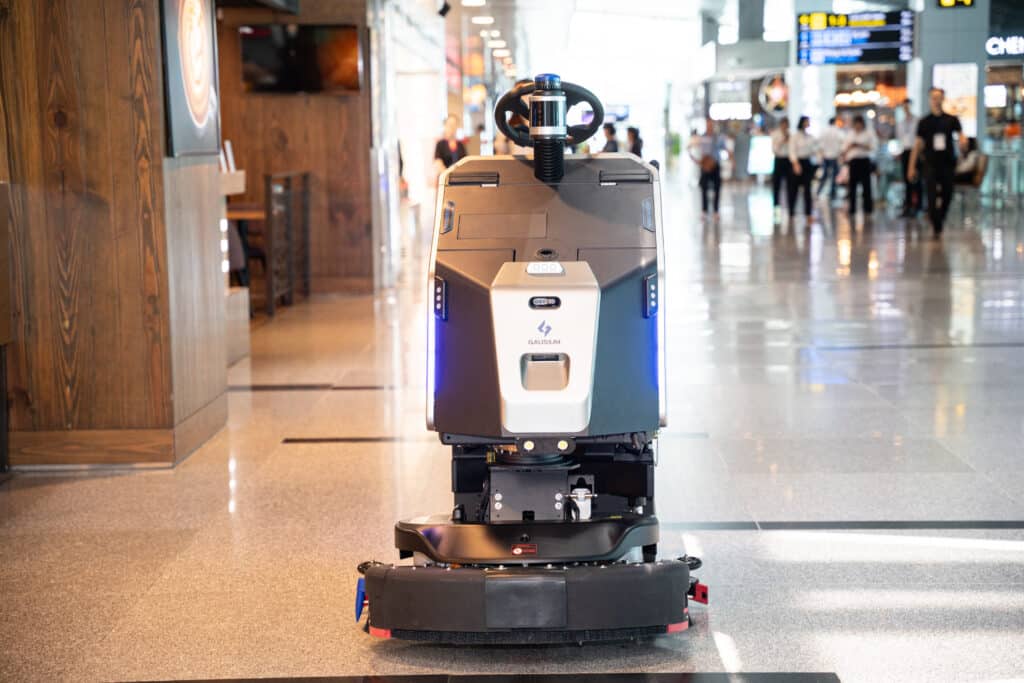
Larger facilities benefit from autonomous scrubbers like Scrubber 50, which are designed to maintain consistent floor care across expansive areas with intelligent navigation.
In environments where debris accumulation is a constant concern, such as industrial or entry-heavy facilities, the Beetle provides sweeping support tailored to heavier debris loads.
Each robot serves a purpose, and selecting the wrong type often leads to inefficiencies rather than improvements.
Robots Work Best as Part of a Broader Cleaning Strategy
Cleaning robot selection should never happen in isolation. Robots are most effective when they support existing cleaning teams, not replace them.
By handling repetitive floor care and maintaining baseline cleanliness, robots allow staff to focus on detailed, human-centered tasks. This balance improves consistency, protects building assets, and supports long-term facility performance.
How Advanced Facilities Helps Avoid Costly Cleaning Mistakes
Choosing the right cleaning robot requires more than comparing features or specifications. It requires an understanding of how a facility operates day to day.
Advanced Facilities works with businesses and facility teams to evaluate layout, flooring, traffic patterns, and operational goals before recommending cleaning equipment. This approach helps ensure that automation supports existing workflows rather than creating new challenges.
By focusing on operational fit, Advanced Facilities helps organizations avoid common mistakes such as underutilized equipment, inconsistent coverage, or misaligned cleaning schedules. The goal is to help facilities select tools that enhance reliability, protect building assets, and support long-term performance.
To learn more about how Advanced Facilities can help identify the right cleaning solutions for your facility, contact (507) 718-4290 or email admin@afbuildingcare.com.