
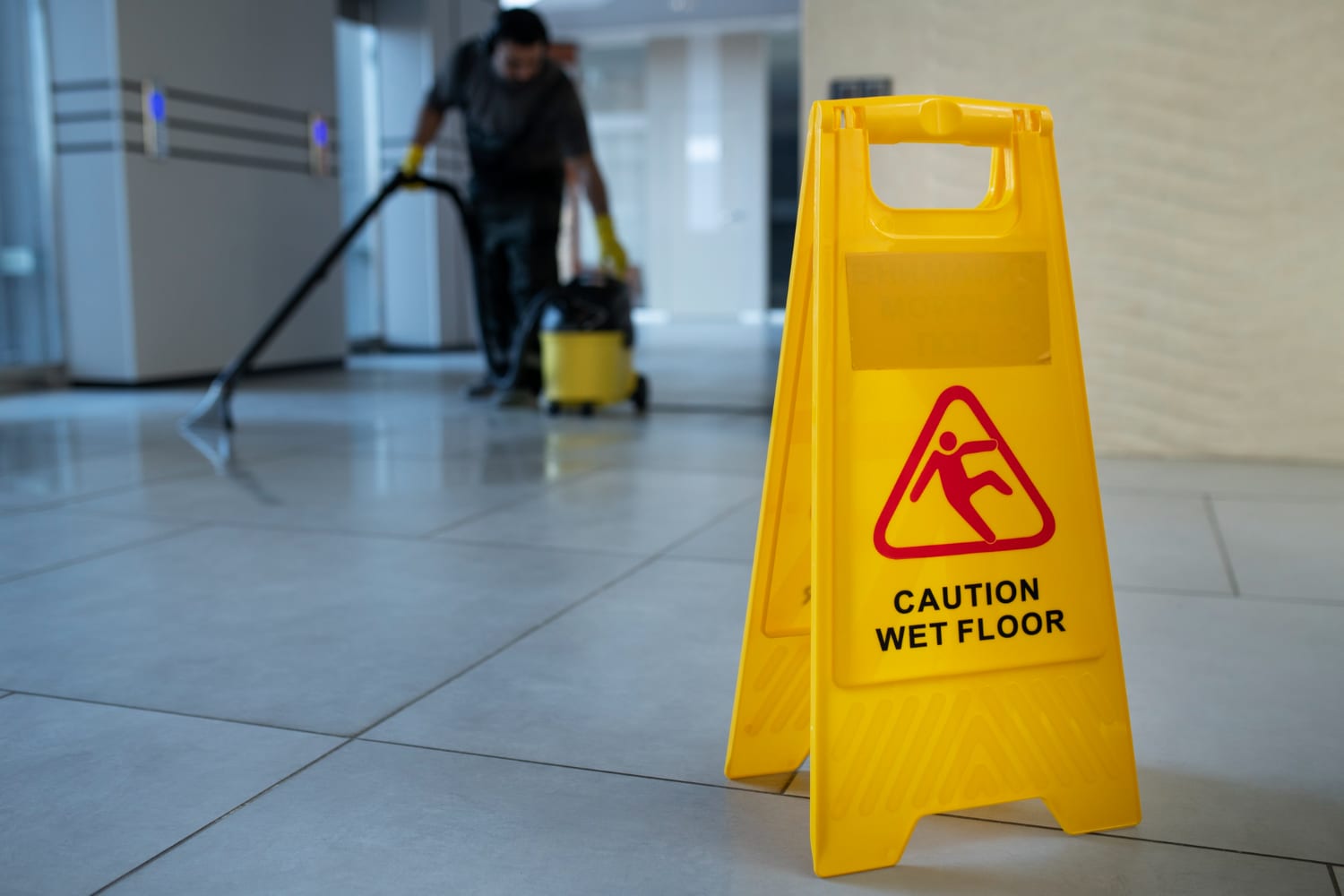
Spring is more than a seasonal transition. It is one of the most important opportunities to reset how a facility is maintained.
After months of winter exposure, buildings often carry hidden wear in the form of moisture damage, residue buildup, and increased strain on high-traffic areas. Without a proactive approach, these small issues can develop into larger and more expensive problems.
This is where preventive maintenance strategies play a critical role. Instead of reacting to damage after it appears, facility managers can take intentional steps to protect floors, surfaces, and systems before deterioration accelerates.
Why Preventive Maintenance Strategies Matter for Facility Lifespan
Facilities that rely on reactive maintenance often face higher long-term costs and shorter asset lifespans.
In contrast, preventive maintenance strategies focus on consistency, early intervention, and structured care. This approach helps:
- Extend the lifespan of flooring and materials
- Reduce unexpected repair costs
- Maintain a consistent and professional environment
- Support better operational planning
Spring is the ideal time to implement or refine these strategies because it allows teams to address winter-related damage while preparing for increased foot traffic and seasonal activity.
Preventive Maintenance Strategies for Floor Protection
Floors are one of the most heavily used and most vulnerable assets in any facility.
During winter, salt, moisture, and debris accumulate and can gradually break down floor finishes. Without proper attention, this leads to discoloration, surface damage, and premature wear.
Effective preventive maintenance strategies for floors include:
- Deep cleaning to remove embedded residue
- Refinishing or recoating worn protective layers
- Inspecting for early signs of cracks or damage
- Maintaining entryways and mats to reduce future buildup
By addressing these issues in the spring, facilities can significantly extend the life of their flooring and avoid costly replacements.
Preventive Maintenance Strategies for Surfaces and Shared Areas
Beyond floors, high-touch and high-use surfaces also require consistent care.
Desks, counters, handrails, and shared spaces accumulate not only visible dirt but also wear from constant use. Over time, neglecting these areas can lead to material degradation and a decline in overall facility quality.
Key preventive maintenance strategies for surfaces include:
- Routine deep cleaning of high-touch areas
- Inspection for wear, stains, or damage
- Use of appropriate cleaning methods for different materials
- Scheduled upkeep instead of sporadic attention
Maintaining these surfaces improves both durability and the overall perception of the facility.
Preventive Maintenance Strategies for Building Systems
Facility systems such as HVAC, drainage, and ventilation are often overlooked in day-to-day cleaning routines, but they are essential to long-term performance.
Seasonal changes can place additional strain on these systems, especially as temperatures fluctuate and usage patterns shift.
Applying preventive maintenance strategies to systems includes:
- Checking ventilation and air circulation
- Ensuring drainage systems are clear after winter buildup
- Monitoring system performance for early signs of inefficiency
- Coordinating cleaning schedules with system maintenance
When systems are maintained proactively, facilities operate more efficiently and avoid unexpected disruptions.
Aligning Cleaning With Preventive Maintenance Strategies
Cleaning is not separate from maintenance. It is one of the most important tools within a preventive strategy.
Consistent cleaning helps identify early signs of wear, supports material preservation, and keeps maintenance schedules on track.
Facilities that align cleaning routines with preventive maintenance strategies benefit from:
- Better visibility into potential issues
- More predictable maintenance planning
- Reduced need for reactive repairs
- Improved overall building performance
This alignment turns cleaning from a routine task into a strategic function.
Building a Sustainable Preventive Maintenance Approach
Implementing preventive maintenance strategies does not require a complete operational overhaul. It starts with small, consistent improvements.
Facility managers can begin by:
- Evaluating areas most impacted by seasonal change
- Prioritizing high-traffic zones
- Establishing structured cleaning and inspection schedules
- Coordinating efforts between cleaning and maintenance teams
Over time, these adjustments create a more resilient facility that is better equipped to handle both daily use and long-term wear.
Conclusion
Spring offers a natural opportunity to take a proactive approach to facility care.
By focusing on preventive maintenance strategies, facilities can protect their most valuable assets, reduce long-term costs, and create a more consistent and reliable environment.
From floors and surfaces to essential building systems, small, intentional actions taken now can significantly extend the lifespan of a facility and improve its overall performance throughout the year.