
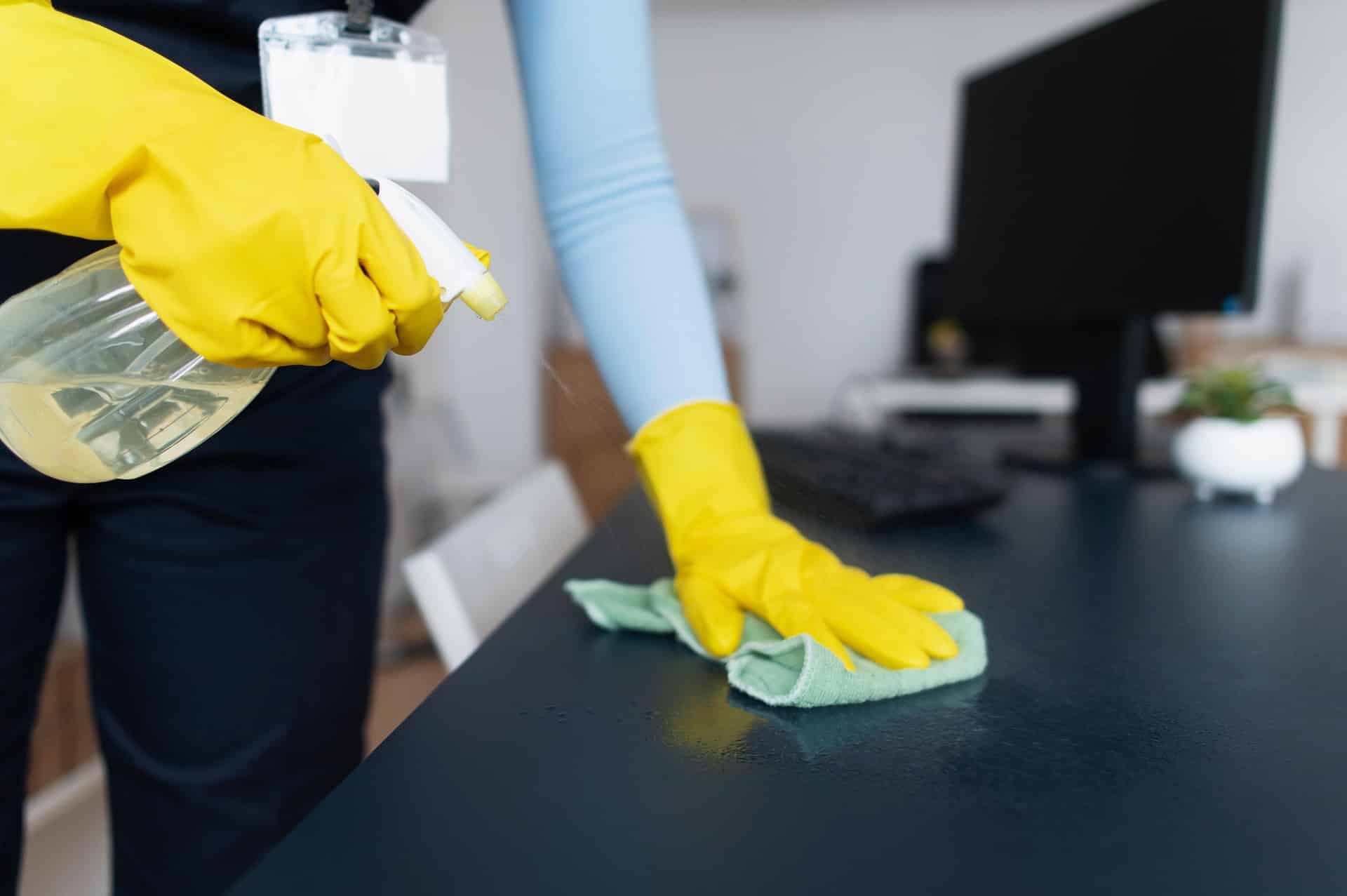
Workplace health and safety cleaning plays an important role in reducing everyday risks across commercial environments. While safety programs often focus on training, signage, and procedures, cleaning is a foundational element that supports these efforts behind the scenes. When commercial cleaning is structured and preventive, it helps facilities create safer, more reliable environments for occupants, staff, and visitors.
Rather than being viewed as a reactive task, workplace health and safety cleaning should be considered part of a broader risk management strategy.
Why Workplace Health and Safety Cleaning Matters in Commercial Buildings
Commercial buildings experience constant movement and shared use. Employees, tenants, vendors, and visitors all interact with the same spaces throughout the day. Without consistent cleaning practices, these shared environments can introduce health and safety risks that accumulate over time.
Workplace health and safety cleaning focuses on reducing exposure, maintaining hygienic conditions, and supporting safe daily operations. When cleaning routines are aligned with how a building functions, facilities are better equipped to prevent issues instead of responding after problems occur.
Shared Surfaces and Everyday Exposure Risks
Shared surfaces are among the most common contributors to workplace health concerns. Door handles, elevator buttons, breakrooms, restrooms, and shared equipment are touched repeatedly throughout the day. In busy facilities, these contact points can quickly become overlooked if cleaning is inconsistent.
Effective workplace health and safety cleaning prioritizes these areas based on frequency of use. Regular attention to shared surfaces helps limit the buildup of contaminants and supports healthier environments for everyone using the space. This is especially important in facilities where occupants work in close proximity or where visitor traffic is high.
Slip Hazards, Floor Care, and Physical Safety
Physical safety is another key component of workplace health. Floors that are not properly maintained can become slip hazards due to moisture, debris, or surface buildup. Entrances, hallways, restrooms, and other high-traffic areas are particularly vulnerable.
Workplace health and safety cleaning includes consistent floor care practices designed to reduce these risks. By addressing spills promptly and maintaining clean, dry surfaces, facilities can lower the likelihood of slips and falls. Preventive floor cleaning also helps protect surfaces from long-term damage caused by neglect or improper maintenance.
Preventive Cleaning as a Workplace Safety Strategy
Preventive cleaning is one of the most effective ways to support workplace health and safety. Rather than addressing issues only when they become visible or disruptive, preventive cleaning focuses on maintaining standards before problems arise.
Workplace health and safety cleaning supports this approach by establishing routines that account for traffic patterns, usage levels, and known risk areas. When cleaning is predictable and consistent, facilities experience fewer disruptions, reduced complaints, and more stable operations overall.
Preventive cleaning services also help facilities stay aligned with workplace safety expectations and guidelines, including industry standards related to sanitation and housekeeping, such as those outlined by OSHA.
Supporting Health Without Disrupting Daily Operations
Cleaning should support workplace safety without interfering with daily productivity. Structured workplace health and safety cleaning allows facilities to maintain hygienic conditions while minimizing disruption to staff and operations.
In some environments, additional support tools such as automation may be used to help maintain consistency in high-traffic areas throughout the day. These tools are designed to complement cleaning teams by reinforcing established routines, especially in spaces that experience continuous use.
When cleaning is well-integrated into facility operations, it becomes a seamless part of maintaining a safe workplace.
A Broader View of Workplace Health and Safety
Workplace health and safety cleaning extends beyond appearance. It contributes to risk reduction, supports physical safety, and reinforces hygiene across shared environments. Facilities that recognize cleaning as part of their safety strategy are better positioned to protect occupants and maintain long-term operational stability.
By viewing commercial cleaning through a health and safety lens, facilities can take a more proactive approach to risk management and daily care.
How Advanced Facilities Supports Safer Work Environments
Advanced Facilities supports workplace health and safety cleaning by providing structured, consistent commercial cleaning services designed around how facilities are used. By focusing on preventive cleaning practices and reliable routines, facilities can better support safer environments without disrupting daily operations.
To learn more about workplace health and safety cleaning:
Phone: 507-718-4290
Email: admin@afbuildingcare.com