
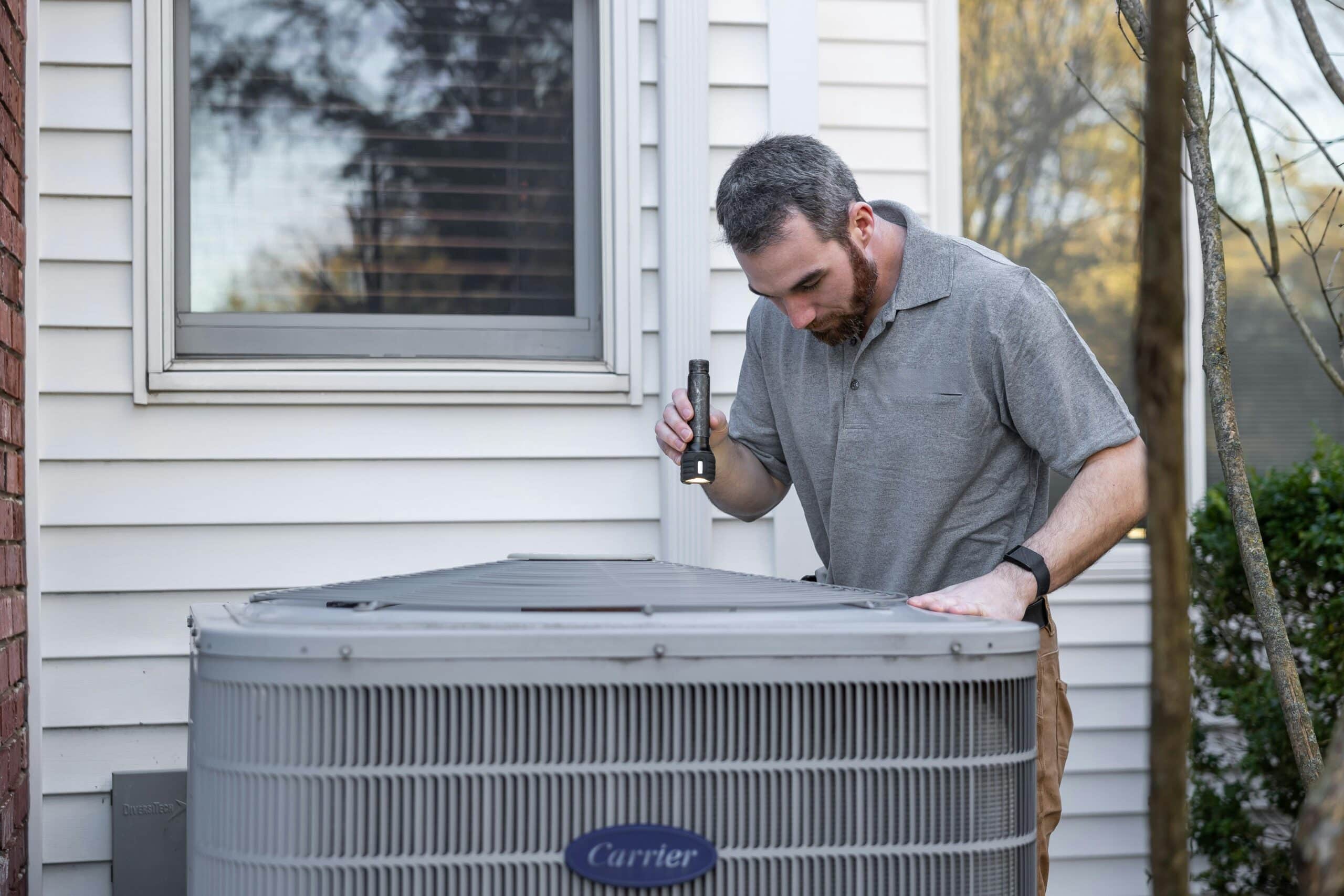
Facility issues rarely appear overnight. Most costly repairs are the result of small, overlooked problems that develop over time. This is where a building assessment checklist becomes a critical tool.
A structured building assessment checklist helps facility managers identify early warning signs across key areas of a building, allowing for proactive maintenance instead of reactive fixes. When done consistently, assessments not only reduce repair costs but also extend the life of building systems and improve overall operations.
Why a Building Assessment Checklist Matters for Facility Performance
Without a clear process, inspections can become inconsistent or incomplete. A building assessment checklist ensures that nothing important is missed.
It provides:
- A standardized way to evaluate building conditions
- Early detection of wear, damage, or system inefficiencies
- Better planning for maintenance and budgeting
Instead of reacting to problems after they escalate, facilities can stay ahead by identifying issues early.
Checklist for Structural Elements
The structural integrity of a building is one of the most important areas to monitor. Even minor issues can lead to major repairs if ignored.
A building assessment checklist for structure should include:
- Cracks in walls, ceilings, or foundations
- Signs of water intrusion or leaks
- Roof condition, including drainage and pooling water
- Exterior wear such as damaged siding or sealants
These issues may seem small at first, but they often signal deeper problems that worsen over time.
Checklist for Interior Conditions
Interior spaces experience daily wear from occupants, making them a key focus in any building assessment checklist.
Areas to review include:
- Flooring condition such as stains, warping, or uneven surfaces
- Walls and paint for scuffs, peeling, or moisture damage
- Lighting performance and fixture condition
- Cleanliness of high-traffic and shared areas
Maintaining interiors is not just about appearance. It directly impacts occupant experience, safety, and long-term asset preservation.
Checklist for Building Systems
Mechanical systems are often overlooked until they fail. A building assessment checklist helps ensure these systems are monitored regularly.
Key systems to assess:
- HVAC performance, airflow, and filter condition
- Electrical systems, including lighting and panel functionality
- Plumbing for leaks, pressure issues, or slow drainage
- Ventilation systems and overall air circulation
Identifying inefficiencies early can prevent disruptions, reduce energy waste, and extend equipment lifespan.
Common Mistakes When Using a Building Assessment Checklist
Even with a checklist, gaps can still happen if the process is not followed correctly.
Common issues include:
- Inconsistent inspection schedules
- Rushing through assessments without documentation
- Focusing only on visible problems
- Lack of follow-up after issues are identified
A building assessment checklist is only effective when it is used consistently and paired with action.
How a Building Assessment Checklist Prevents Costly Repairs
The biggest benefit of a building assessment checklist is cost prevention. Small maintenance issues are significantly less expensive to fix than major repairs.
For example:
- Addressing minor leaks early prevents structural water damage
- Maintaining HVAC systems avoids full system replacement
- Regular floor care reduces the need for resurfacing or replacement
Over time, this proactive approach leads to more predictable maintenance budgets and fewer unexpected expenses.
Creating a Routine Around Your Building Assessment Checklist
To get the most value, a building assessment checklist should be part of a regular schedule.
Best practices include:
- Assigning responsibility to specific team members
- Keeping clear documentation of findings
- Prioritizing repairs based on urgency and impact
- Consistency is what turns a simple checklist into a powerful operational tool.
Conclusion
A building assessment checklist is more than just an inspection tool. It is a proactive strategy that helps facilities stay ahead of problems, protect their assets, and avoid costly repairs.
By focusing on structure, interiors, and systems, facility managers can create a more predictable, efficient, and well-maintained environment. The earlier issues are identified, the easier and more affordable they are to resolve.